
| Used for
| Amount | Why |
|---|
Angina | 150 mg daily | [3 stars] CoQ10 contributes to the heart’s energy-making mechanisms. Angina patients given CoQ10 have experienced greater ability to exercise without chest pain.
|
|
Heart Attack | 500 to 800 mcg daily | [3 stars] Taking CoQ10 may help reduce complications following a heart attack.
|
|
Hypertension | 100 mg twice per day
| [3 stars] Taking coenzyme Q10 may have a significant impact on blood pressure.
|
|
Athletic Performance | Refer to label instructions
| [2 stars] Strenuous physical activity lowers blood levels of coenzyme Q10 (CoQ10). A few studies have reported that CoQ10 supplementation benefitted some trained athletes. |
|
Cardiomyopathy | 100 to 150 mg daily | [2 stars] Most studies using coenzyme Q10 in treating cardiomyopathy have shown positive results, including improved quality of life, heart function tests, and survival rates. |
|
Congestive Heart Failure | 0.9 mg daily per pound of body weight with a doctor's supervision
| [2 stars] CoQ10 enhances the production of energy in the heart muscle and has been reported to help people with CHF, sometimes dramatically.
|
|
Gingivitis | 50 to 60 mg daily | [2 stars] Supplementing with CoQ10 may reduce gingivitis symptoms and repair damaged gum tissues. |
|
Halitosis and Gum Disease | 50 to 60 mg daily | [2 stars] Coenzyme Q10 is often recommended by doctors to help prevent and treat periodontitis. |
|
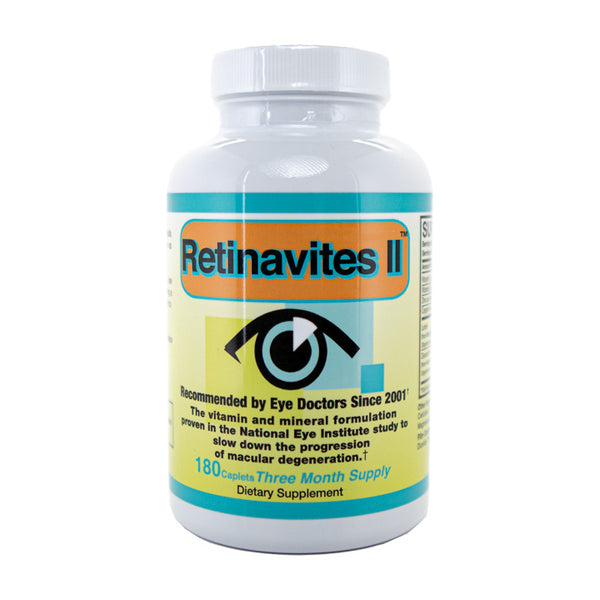
Macular Degeneration (Acetyl-L-Carnitine, Fish Oil) | Follow label directions | [2 stars] In one study, supplementing with a proprietary blend of acetyl-L-carnitine, fish oil, and coenzyme Q10 improved visual function in people with macular degeneration. |
|
Migraine Headache | 100 to 150 mg daily | [2 stars] In a preliminary trial, supplementation with coenzyme Q10 for three months reduced the average number of days with migraine headaches by 60%. |
|
Parkinson’s Disease | 1,200 mg a day | [2 stars] In a double-blind trial, coenzyme Q10 given to people with early Parkinson's disease significantly slowed the progression of the disease. |
|
Preeclampsia | 200 mg per day
| [2 stars] In a double-blind study at women who were at high risk of developing preeclampsia, supplementing with coenzyme Q10 reduced the incidence of preeclampsia by 44%.
|
|
Type 2 Diabetes | 120 mg daily of a standardized herbal extract | [2 stars] Supplementing with CoQ10 may improve blood sugar metabolism. |
|
Alzheimer’s Disease (Iron, Vitamin B6) | Refer to label instructions
| [1 star] A combination of coenzyme Q10, iron (sodium ferrous citrate), and vitamin B6 may improve mental status in people with Alzheimer’s disease. |
|
Breast Cancer | Refer to label instructions
| [1 star] Some studies have found that women who take CoQ10 have a greater chance of remaining cancer-free after breast-cancer treatment. |
|
Chronic Obstructive Pulmonary Disease | Refer to label instructions
| [1 star] CoQ10 levels have been found to be low in people with COPD. Supplementing with CoQ10 improved blood oxygenation, exercise performance, and heart rate in one study. |
|
HIV and AIDS Support | Refer to label instructions
| [1 star] In one trial, people with HIV who took CoQ10 experienced no further infections for up to seven months, and counts of infection-fighting white blood cells improved in some cases. |
|
Insulin Resistance Syndrome | Refer to label instructions
| [1 star] Coenzyme Q10 may improve insulin sensitivity in people with components of IRS. |
|
Lung Cancer | Refer to label instructions
| [1 star] In an unpublished report, 4 of 11 lung cancer patients were said to be alive following ten years of daily CoQ10 supplementation. |
|
Male Infertility | Refer to label instructions
| [1 star] CoQ10 is a nutrient used by the body to produce energy. While its exact role in the formation of sperm is unknown, even small amounts appear to increase sperm count and motility. |
|
Prostate Cancer | 600 mg daily | [1 star] Supplementing with CoQ10 may reduce levels of PSA—a marker of cancer activity. |
|
Tinnitus | Refer to label instructions
| [1 star] For people who are deficient in CoQ10, supplementing with the nutrient may improve tinnitus. |
|
Type 1 Diabetes | Refer to label instructions
| [1 star] Supplementing with CoQ10 may improve blood sugar metabolism. |
|